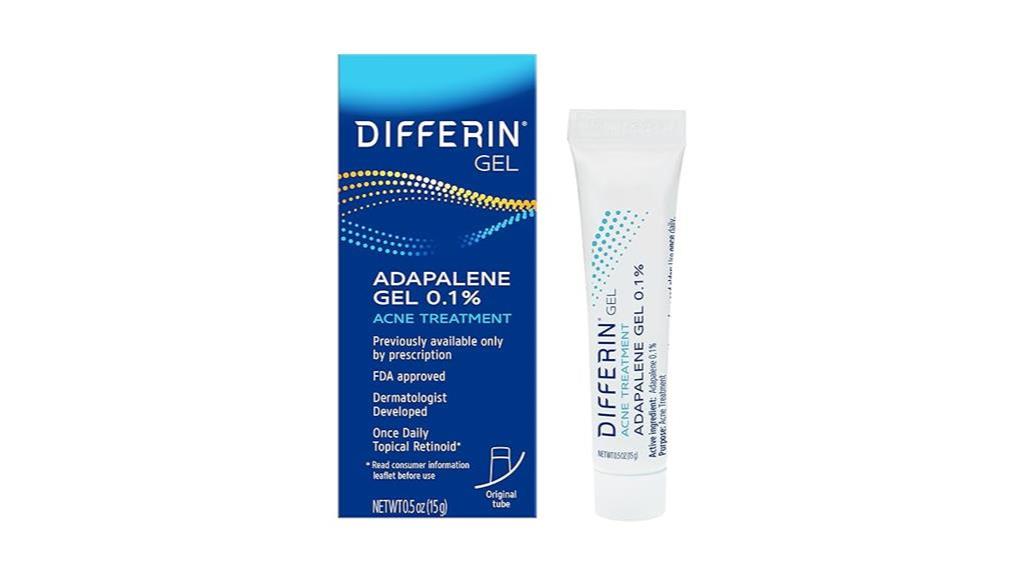
Acne antibiotics used to be the first thing the doctor would prescribe for pimples, but acne bacteria have developed resistance to antibiotic treatment so that old medications don’t work, and the risk of complications from antibiotic treatment is real. Still, antibiotics can play an important role in getting rid of acne from some people—if they are used correctly. This article will tell you what you need to know about acne antibiotics that really work.
| We’ve done the research for you…
We researched and reviewed the top acne treatments available without a prescription. Click here to see the Top 3 that scored highest or look at our comparison chart for even more details. |
Summary:
- Antibiotics shut down the metabolic machinery of bacteria. Some antibiotics kill acne on contact, but others just cause them to go dormant.
- Antibiotics are available as pills you take by mouth and as gels, lotions, creams, and serums you put on your face.
- The antibiotic you used 10 years ago may no longer be effective, as acne bacteria develop antibiotic resistance.
- American doctors often prescribe certain acne antibiotics to any over the age of 8 that European and Canadian doctors will not prescribe to anyone under the age of 22, because of the possibility of staining the teeth.
- Some antibiotics can cause sensitivity to sun for users who have brown, black, or Asian skin types. Sun exposure without sunscreen can cause permanent spotting of the skin even when acne heals.
- Antibiotics for acne can also cause sun sensitivity and brown skin spotting in women who take the contraceptive Pill.
Acne Antibiotics and Acne Bacteria
Acne bacteria are a normal fixture on healthy skin. In small numbers, they keep too much oily sebum from accumulating in pores. The bacteria feed on the long-chain fats in sebum, using part of the fat for food, and releasing skin-healthy n-3 essential fatty acids as a byproduct. These fats reduce inflammation in the skin, but they increase inflammation in bacteria. As soon as the bacteria finish eating excess sebum, their skin-healthy byproducts cause them to shut down and enter a hibernation cycle. Small numbers of acne bacteria are actually a good thing for the skin.
The problem with acne bacteria occurs when they get stuck in a pore underneath hardened skin oils. When the face is not washed properly, or when hormonal changes make skin tight, or when the skin produces extra oil to deal with stress or inflammation, acne can get trapped in the skin. These bacteria release chemicals that let them out—by making surrounding skin more sensitive to the immune system. It is actually the immune system that causes the redness, irritation, inflammation, and itching of pimples, not bacteria. But killing bacteria stops the process that keeps the immune system on red alert.
Antibiotics kill bacteria by interfering with their ability to make proteins. Some of the older antibiotics for acne, such as tetracycline, were bactericidal, that is, they killed bacteria on contact. Some of the newer antibiotics for acne, such as azithromycin, are bacteriostatic, that is, they force bacteria into hibernation. The problem with any kind of bacterial treatment is that some individual acne bacteria area likely to have the ability to resist it. They pass this ability on to their descendants, and they can also exchange genetic material with nearby bacteria to make them resistant, too. Antibiotics by themselves are usually not enough in this era of antibiotic resistance.
Acne Antibiotics that Work, and Acne Antibiotics That Don’t
Acne antibiotics are offered in pill form, and as antibiotic lotions and creams. The options for treating acne with a pill include:
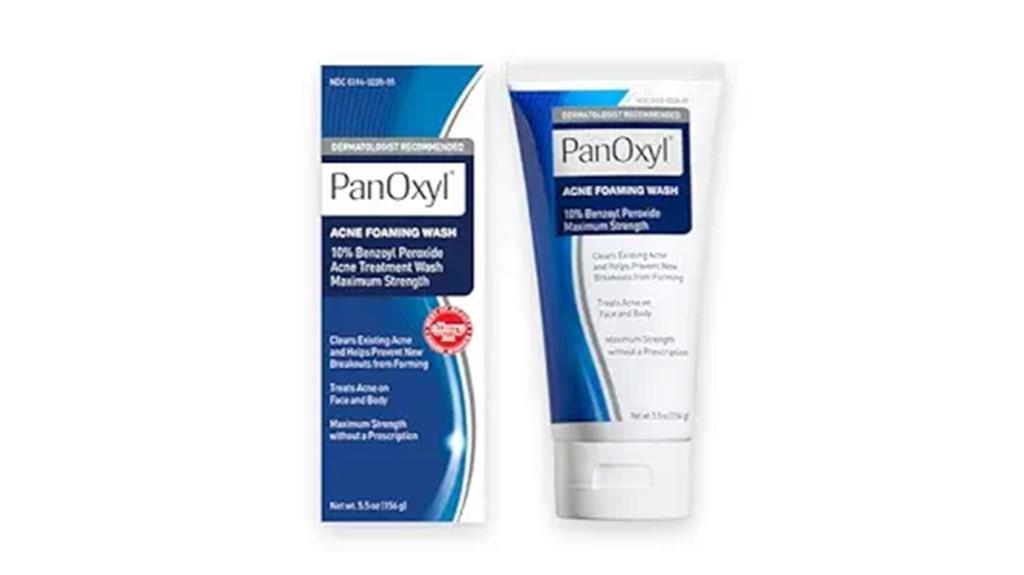
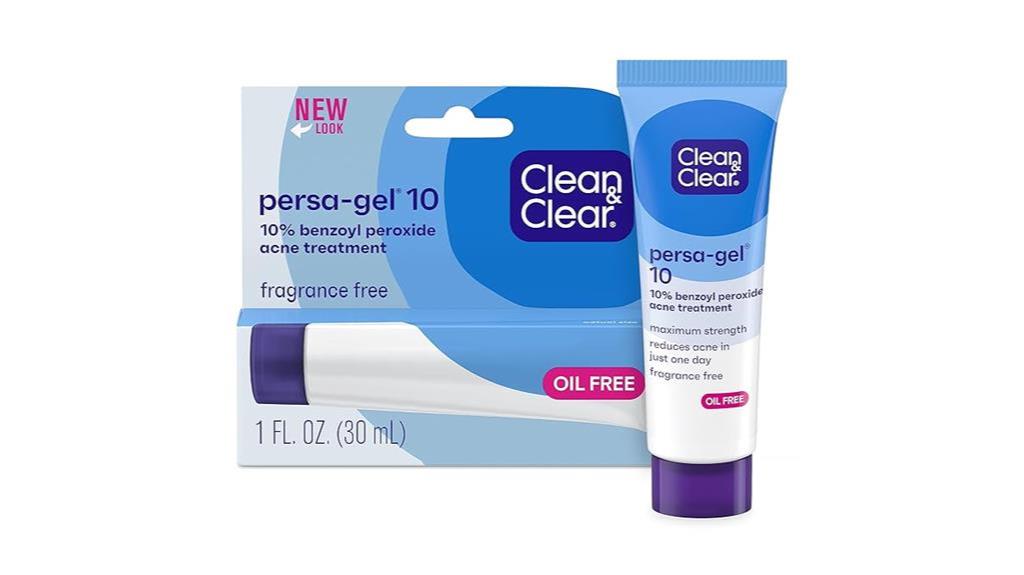
- Substances that kill acne bacteria by inflammation, such as benzoyl peroxide, oil of cloves, and chlorhexidine gluconate. Bacteria don’t develop resistance to these treatments, but they don’t kill as many bacteria, either.
- Tetracycline and related antibiotics, such as Sumycin. These drugs are eliminated from the bloodstream in about 12 hours. Many strains of acne bacteria have become resistant to Sumycin. This drug and other tetracycline antibiotics can cause staining of the teeth in users up to the age of 22.
- Minocycline, sold under the trade names Minacin and Dyancin (as well as many others). This antibiotic stays in the bloodstream for about 48 hours. It also can stain teeth in users as old as 22.
- Doxycycline, sold under the trade name Vibramycin. This antibiotic is preferred in Canada and Europe because it won’t stain teeth. It fights acne bacteria, but it has no effect on staph bacteria, the microorganisms that can cause pus-filled “pimples” with yellow circles in the center. It also increases sensitivity to sunlight, and may increase the likelihood of brown spots on the skin after acne has healed, especially for people who have Asian skin types.
- Trimethoprim/sulfamethoxazole, marketed under the trade names Bactrim and Septra. This product won’t fight resistant acne bacteria and it can cause brown skin spotting in women who use both this antibiotic and oral contraceptives.
- Azithromycin (Zithromax) is offered when other treatments don’t stop resistant bacteria. Certain other fluoroquinolone antibiotics such as ciprofloxacin (Cipro) and levofloxacin (Levaquin) may be prescribed when there multiple infections of the skin—don’t drink orange juice or grapefruit juice or eat oranges or grapefruit in you take Cipro or Levaquin.
If you live in the United States, you probably want to have a discussion with your doctor about the possibility of staining your teeth if you are offered a prescription for Minacin (minocycline) or any form of tetracycline (now sold as a generic). If you have brown, black, or Asian skin, or if you are on the Pill, you will need to use at least SPF-15 sunscreen to protect your skin from spotting if you use any antibiotics.
Antibiotics can also cause deficiencies of the B vitamin folic acid. North Americans get lots of folic acid from fortified wheat flour, but people in the rest of the world who take oral antibiotics for acne may need to take a supplement providing at least the recommended daily intake (available even in the European Union).
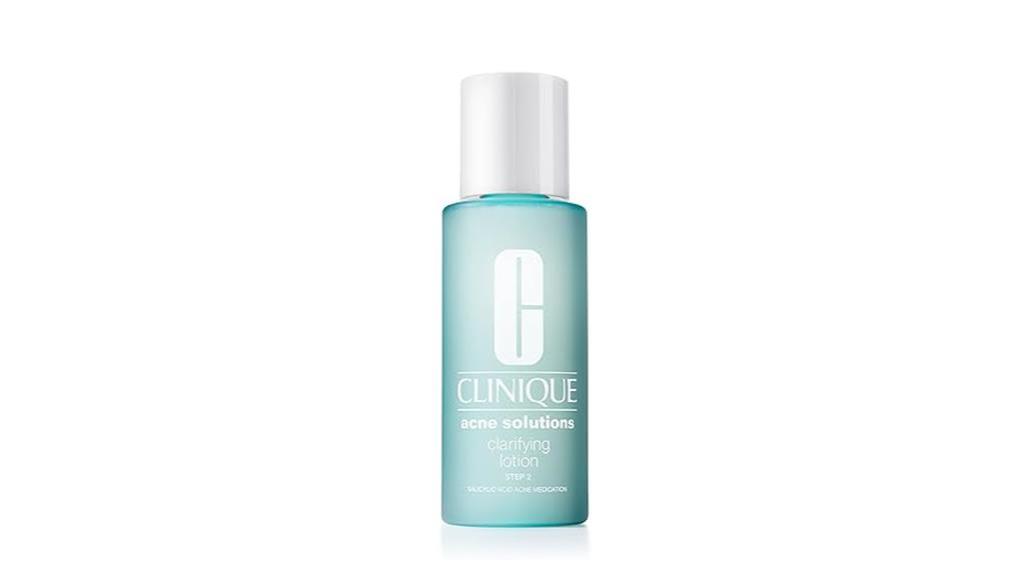
The topic antibiotics most often used to treat acne include clindamycin and erythromycin. Topical antibiotics do not carry the risk of as many side effects as oral antibiotics, but they still need to be used with care. Here are some practical suggestions for success with topical antibiotic treatment for acne:
- Antibiotic creams and lotions are usually less irritating that antibiotic gels or serums.
- Antibiotics do not break up whiteheads or blackheads. If you use an antibiotic gel, cream, or lotion, you still need to do regular cleansing and exfoliation of the skin.
- Bacteria can develop resistance to antibiotic creams, lotions, gels, and serums. These medications can leave a few especially tough bacteria behind. Since they do not have any competition for food, they can grow to cause a hard-to-treat infection of the skin, unless you kill them, too. Using antibacterial products like benzoyl peroxide, chlorhexidine gluconate, and/or oil of cloves on your skin can kill these last few bacteria and keep your skin clear.
It’s always a good idea to do a patch test before you apply any product to your face. Place a dot of the antibiotic or antibacterial product on the skin of your forearm, and leave it for 8 hours. If there is no irritation on your arm, then it is probably safe to use the product on your face.
Related acne articles:
- Finding an Effective Acne Cream Even though there are many types of acne treatment, the anti-acne cream tends to lead the list of preferred methods of dealing with unsightly blemishes....
- How to Get Rid of Acne And Pimples for Good Can you get rid of pimples overnight? What about 1 day, 3 days, or 5 days? Quick acne solutions are popular, but how fast can...